
When a range is under pressure, the lowest-volume SKU is only one suspect. Some small items protect a role; some large ones quietly add complexity.
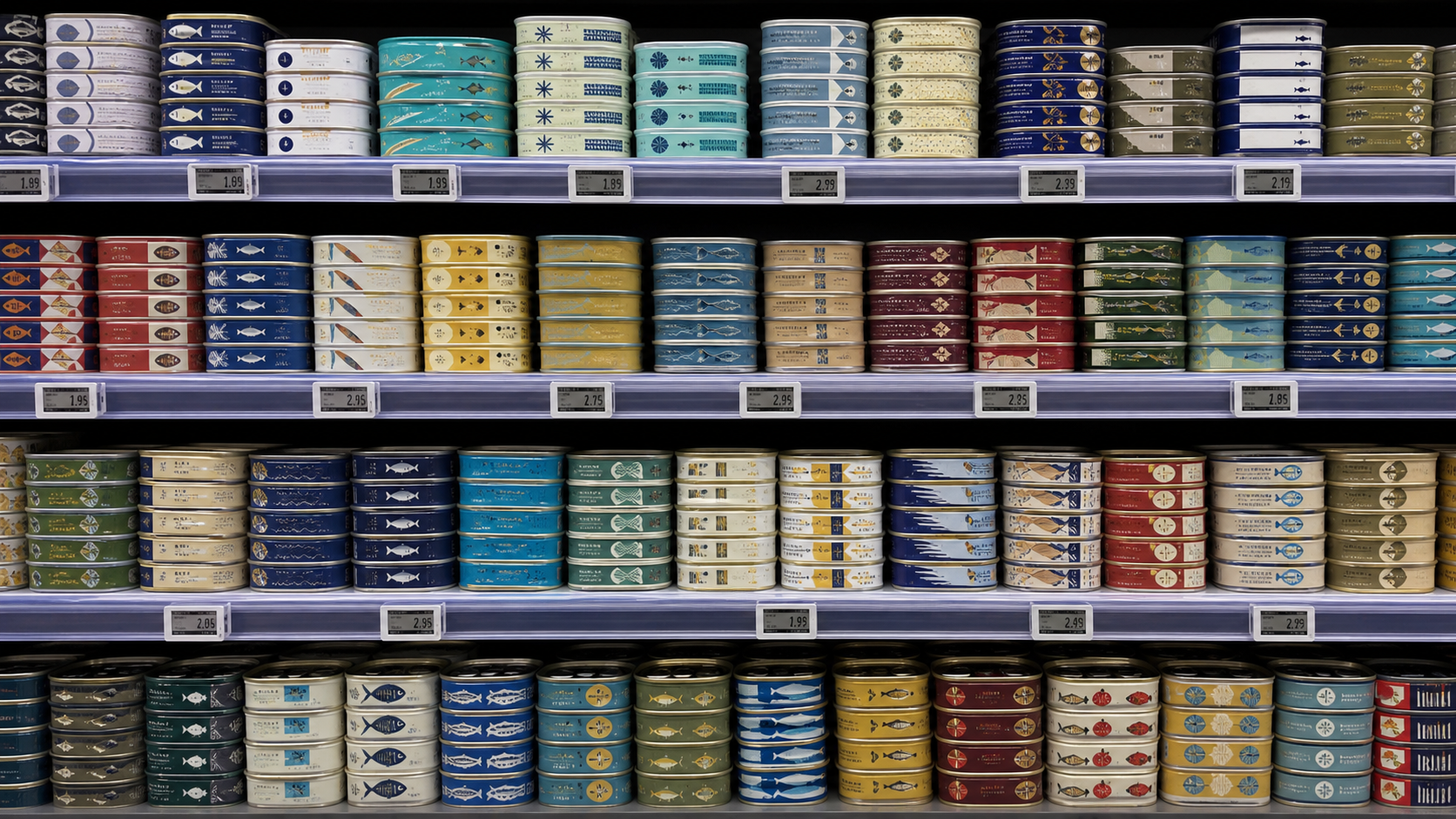
First define the jobs the range must do: recruit buyers, defend the price ladder, protect premium trade-up, serve key occasions, or meet retailer needs. Then individual SKUs can be judged against those jobs.
The goal is to decide which items deserve defence, which need a different job, and which can be removed without creating a bigger problem.
A ranking tells you what is big and small. It does not show cannibalisation, strategic role, or what disappears from the range when an item goes.
Volume alone can hide margin, cannibalisation, shopper role, retailer dependency, and price-ladder contribution.
Every SKU has a history and usually an owner. The decision needs a market view strong enough to get past attachment.
If the brand cannot explain which SKUs earn their space, the retailer will bring its own logic. That logic may not protect your strongest future role.
Recommendation: remove the duplicated mid-tier variant, not the smaller niche SKU. The mid-tier item adds volume but mostly steals from the core. The niche SKU is smaller, but it protects a distinct usage occasion and gives the retailer a reason to keep the premium block intact.
This can start with Markt.Scan when the pressure needs diagnosis, or move into Markt.Lever when the question is where the range should be adjusted first.